
The Influence of Emotions on Game Selection
The landscape of casino games is rich and varied, but players’ choices often stem from deep-seated emotional responses. When individuals approach a casino, emotions like excitement, anxiety, and anticipation can heavily influence their decisions. For some, the thrill of the game is what draws them in, prompting them to choose high-stakes games like blackjack or poker, where the opportunities for large wins can feel especially enticing. Others may gravitate towards slots, where the simplicity and the idea of an instant withdrawal casino align with their desire for fun and relaxation.

This emotional undercurrent is not just random; it is rooted in psychological theories such as the affect heuristic, which suggests that people make decisions based on their current emotional state rather than purely rational thought. Consequently, a player who feels confident may take risks on games with higher variance, while someone in a more cautious mood might prefer games that offer more consistent but smaller wins.
The Role of Perceived Skill and Control
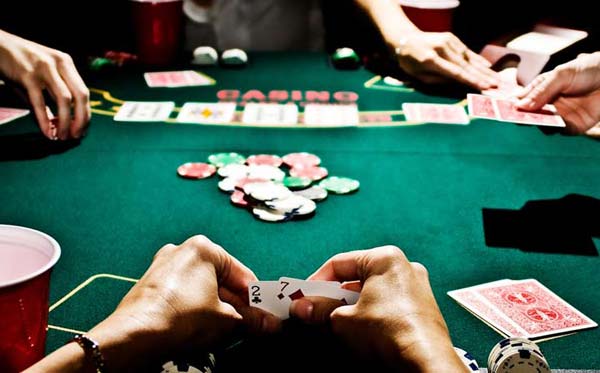
The perception of skill and control in gameplay can strongly dictate which games individuals choose. Games such as poker and blackjack are often favored by players who believe they can influence the outcome through their decisions and strategies. This belief in skill can enhance engagement levels, creating a sense of agency that draws players back repeatedly. In contrast, games of pure chance, such as roulette, may attract those looking for a quick thrill without the pressure to strategize.
Understanding this aspect of game choice can help casinos tailor their offerings and marketing strategies. By highlighting elements of skill and player control, they can appeal to specific psychological motivators that influence player behavior and satisfaction. Players often seek validation and a sense of achievement, prompting them to choose games where their decisions can lead to a favorable outcome.
Social Influences and Group Dynamics
The social environment surrounding gambling also plays a vital role in shaping game preferences. Casinos are social venues, and the interactions among players can heavily influence individual choices. Many players tend to prefer games that encourage social interaction, such as table games, where they can engage with others, share experiences, and celebrate wins together. This communal aspect can enhance the overall gaming experience, making it more enjoyable and memorable.
Furthermore, the presence of friends or family can sway game choices significantly. A player may opt for a game simply because friends are engaged in it, highlighting the social nature of gambling as a shared experience. This social validation can reinforce game selection and create a sense of belonging, making certain games feel more appealing in a group setting.
The Impact of Cognitive Biases
Cognitive biases play a crucial role in how players select casino games. Many gamblers exhibit tendencies such as the gambler’s fallacy, which leads them to believe that past outcomes can influence future results. This bias can prompt players to choose games based on skewed perceptions of odds and probabilities. For example, a player may continue to gamble on a losing streak, convinced that a win is «due» to happen.
Additionally, the illusion of control can make certain games more attractive. Players often believe they can control random outcomes, leading them to select games that reinforce this belief. Understanding these cognitive biases can provide insights into gambling behavior, informing both individuals and casinos about the underlying psychological mechanisms that drive game choices.
Insights into Responsible Gaming Choices
Responsible gambling practices are essential in the casino industry, and understanding the psychology behind game choices can foster healthier gaming habits. By being aware of emotional triggers and cognitive biases, players can make more informed decisions about their gameplay. Responsible gaming initiatives can focus on educating players about the psychological factors influencing their choices, encouraging them to engage in games that match their risk tolerance and emotional state.
As players become more educated about their choices, they can enjoy the entertainment value of gambling while maintaining control over their behavior. This balance fosters an environment where enjoyment does not lead to negative consequences, aligning with responsible gaming principles essential for a sustainable gambling experience.